Franz Sigel Rolla and the Day the War Came by Train
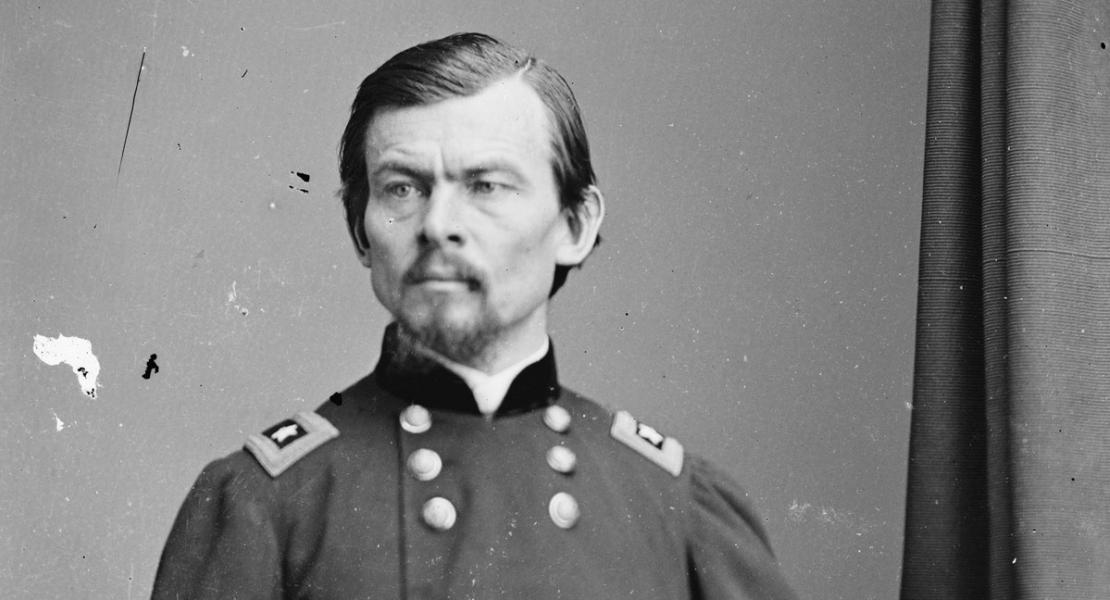
On June 14, 1861, a locomotive pulled into Rolla carrying General Franz Sigel and 600 Union soldiers. The town had fewer than 1,500 residents. By nightfall, Rolla was a military outpost, and the lives of everyone in Phelps County changed in ways they couldn’t yet imagine.
I think about that day more than I probably should. Franz Sigel Rolla history isn’t something most people go looking for, but once you know the railroad ended right here, you can’t unknow it. This was the last stop. The Southwest Branch of the Pacific Railroad simply stopped in Rolla, which meant every soldier, every wagon, every barrel of supplies heading into the Ozarks campaign had to pass through this exact ground.
Why Rolla Became a Union Stronghold
The answer is almost embarrassingly practical: geography and steel rails. Rolla sat at the western terminus of the only railroad pushing into central Missouri. Confederate forces controlled the land to the south and west. Union commanders needed a supply depot they could defend, and Rolla was it.
Sigel’s 3rd Missouri Infantry arrived just weeks after Fort Sumter fell. Within months, Rolla transformed from a sleepy railroad town into a staging ground for one of the bloodiest campaigns of the early war. Two months after Sigel arrived, the Battle of Wilson’s Creek exploded 120 miles southwest. The wounded came back through Rolla. The dead stayed in the fields.
The Camp on This Ground
Here’s the part that still gets me. Union soldiers camped throughout Phelps County during those years, and military records place encampments on ground that’s now part of this preserve. I walk the same creeks those soldiers crossed. The same limestone outcrops they used for cover still jut from the hillsides.
The county itself was only four years old when the war started. It had been carved out and named for John Smith Phelps, a Springfield lawyer who would later become Missouri’s governor. Phelps served as a Union officer during the conflict, which makes the naming feel almost prophetic now.
What the History Books Skip
The books tell you about battles and generals. They don’t tell you about the women who stayed behind to run farms alone while their husbands picked sides. They don’t mention the Osage, who had called this land home for generations before treaties forced them west, watching yet another wave of people tear themselves apart over ground that had been taken from them decades earlier.
I’ve been thinking about layers lately. The Osage walked here first. Then settlers. Then soldiers. Now us. Every layer left something in the soil, something in the story.
If you’re ever on the Acorn Trail across from the preserve, there’s a stretch where the creek runs close to the path. Stand there for a minute. Listen to the water. That creek has been running since before Franz Sigel ever boarded a train, before Phelps County had a name, before Missouri was a state. Some things outlast all of us.
What piece of local history surprised you most when you learned it?
Learn more about the Preserve and how you can be part of it at Ozark Farms Heritage & Nature Preserve.