Fall Seed Dispersal in the Missouri Ozarks
I watched a cedar waxwing strip a dogwood branch bare this morning, and it struck me how much of the Ozarks runs on this quiet autumn economy. Fall seed dispersal keeps everything moving out here—the birds get fed, the trees get planted, and nobody signs a contract.
Right now the persimmons are dropping soft and sweet, the hackberries are everywhere, and the wild grapes have that dusty bloom that tells you they’re ready. Every fruit that falls or gets carried off is a little gamble the plant is making on next year.
How Seeds Travel
Some seeds hitch rides in bird bellies. Others catch the wind or roll downhill with the rain. A few just wait to get stepped on or buried by a squirrel who forgets where he put them.
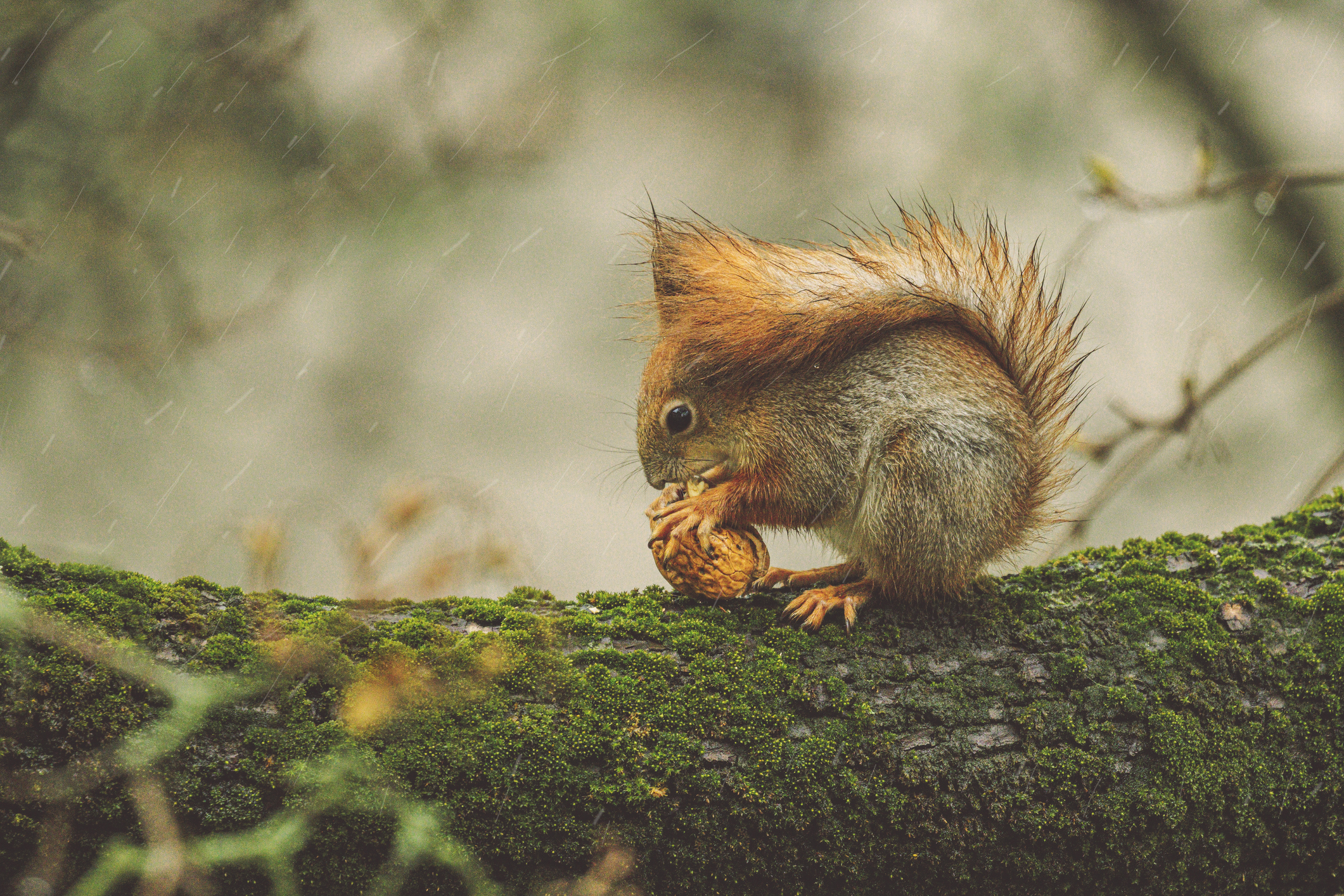
The squirrels are working overtime right now, caching acorns and hickory nuts in spots they’ll only half-remember come February. I’ve read that they forget about a quarter of what they bury. That’s not poor planning—that’s how oak trees get planted in places no human would think to put them.
If you walk the woods this week, you’ll see the evidence everywhere. Piles of chewed hickory shells. Persimmon seeds in scat along the deer trails. Hackberry pits scattered under the cedars where the waxwings have been feasting.
A Fall Activity for Curious Kids
Here’s something we’ve been doing with the kids that turns a regular walk into actual science. Pick a small area—maybe ten feet square—and make a list of every fruit, seed, or nut you find. Note the color, where it landed, and any signs that something’s been eating it.
Then ask: how did this seed plan to travel? Wind, water, animal belly, or animal forgetfulness?
You can make a simple chart with columns for plant name, seed type, and dispersal method. It’s the kind of thing that sticks with a kid longer than a worksheet, because they figured it out themselves by looking.
Fall Seed Dispersal and the Longer Story
Back in October 1864, Price’s Confederate cavalry was cutting across Missouri, and families in these hills were watching the roads and wondering what winter would bring. The trees didn’t care about any of that. They just kept dropping seeds the way they’d done for ten thousand years.
There’s something steadying about that. The land has its own calendar.
If you’re looking for a good spot to practice this kind of noticing, Maramec Spring Park has trails through mixed woods where you can find half a dozen fruiting species in an hour. The kids like the swinging bridge, and I like that they’re learning to read the ground without realizing it.
We take the Merlin app on every walk now, and it’s changed how the kids pay attention to what’s moving in the canopy overhead.
What’s dropping or getting eaten in your yard this week?
Learn more about the Preserve and how you can be part of it at Ozark Farms Heritage & Nature Preserve.