Composting Animal Manure: Complete Guide to Using Chicken, Cow, and Horse Manure in Your Garden
Common sense guide to composting farm animal manure
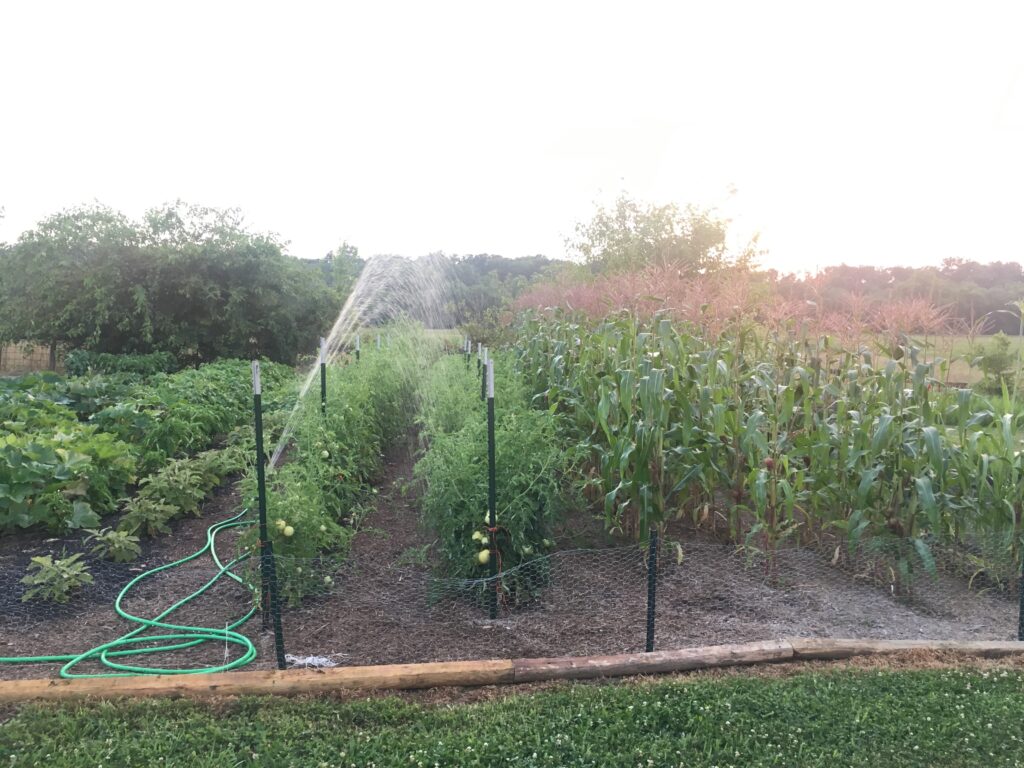
I’ve been gardening since I was a little girl begging my mom to plant tomatoes in our backyard, founded a community garden in college, worked on a farm that canned everything they grew, and now steward our 500 acre working historic farm in the Missouri Ozarks. But it wasn’t until we bought Green Acres Historic Farm in 2015 and had to seriously amend our garden soil that I really understood something crucial: not all animal manure is created equal. Using the wrong type of manure – or composting it incorrectly – can burn your plants, introduce weeds, or contaminate your vegetables.
This guide covers how to safely compost and use chicken manure, cow manure, horse manure, sheep and goat manure, and rabbit manure in your garden, including composting times, mixing ratios, and food safety guidelines. For specific information on when and how to apply composted manure throughout the year, see my complete guide on [LINK: When to Add Manure to Your Garden: Seasonal Timing and Application Methods].
Why Different Types of Manure Need Different Composting Methods
The main difference between types of animal manure comes down to nitrogen content—think of it as the “heat” level. High-nitrogen manures like chicken and rabbit manure are considered “hot manure” because that concentrated nitrogen can literally burn plant roots if used fresh. Lower-nitrogen manures like cow manure and horse manure are “cool manure” and gentler on plants.
All fresh manure (except rabbit) needs to be composted before using in the garden. Composting breaks down the manure, eliminates pathogens, reduces ammonia levels, and creates a stable soil amendment that won’t burn plants.
Chicken Manure Compost: The Most Nutrient-Rich Option (But Handle With Care)
Chicken manure is the most nutrient-dense manure you’ll find on a typical farm. It’s incredibly rich in nitrogen, phosphorus, and potassium—the three main plant nutrients. But that’s also why it requires the longest composting time.
Can you use fresh chicken manure in the garden?
- Never put fresh chicken manure directly on growing plants
- The nitrogen is so concentrated it will burn roots and can kill plants
- Fresh chicken manure must be composted before use
How to compost chicken manure:
- Compost chicken manure for at least 6-12 months before using
- Mix it with carbon-rich materials like straw, wood shavings, or leaves (this is why cleaning out a chicken coop with bedding is actually perfect for composting)
- The compost pile will heat up as it breaks down—that’s good, it’s working
- You’ll know it’s ready when it’s dark, crumbly, and doesn’t smell like ammonia anymore
- Properly composted chicken manure should smell earthy, like rich soil
How to use composted chicken manure in vegetable gardens:
- Mix into garden soil at a ratio of about 1 part composted chicken manure to 4-5 parts soil
- Side-dress around heavy feeders like tomatoes, peppers, and squash during the growing season
- Work into new garden beds in fall so it has all winter to mellow further
Cow Manure Compost: The Gentle, Easy-to-Use Option
Cow manure is my go-to for most garden applications at Green Acres. It’s much milder than chicken manure and easier to compost, making it the best manure for beginner gardeners.
Can you use fresh cow manure in the garden?
- Fresh cow manure is safer than fresh chicken manure, but you still shouldn’t use it directly on plants
- It won’t burn as readily, but it can introduce weed seeds and potentially harmful bacteria like E. coli
- Compost cow manure for at least 3-6 months before using
What is barn dirt or composted cow manure?
- What we call “barn dirt” at our place is that mix of cow manure, urine, and bedding (straw or wood shavings) from cleaning out the barn
- This mixture is actually better than pure manure for composting because the bedding provides carbon to balance the nitrogen
- Once it’s composted for 6 months to a year, it becomes beautiful, rich compost
How to use composted cow manure:
- Mix generously into garden beds—you can use a ratio of 1:3 or even 1:2 (composted manure to soil) without worrying about burning plants
- Top-dress around perennials and shrubs
- Add to planting holes when transplanting vegetables
Horse Manure Compost: Similar to Cow Manure, With One Big Problem
Horse manure is very similar to cow manure in nitrogen content and how you should compost it. But there’s one big difference: horses don’t digest seeds as thoroughly as cows do.
The weed seed problem with horse manure compost:
- Horse manure almost always contains viable weed seeds
- If you’ve ever seen a pasture where horses are fed hay, you’ll notice all kinds of “volunteer” plants sprouting
- This means your composted horse manure might introduce new weeds to your garden
How to compost horse manure:
- Compost horse manure for at least 6 months, preferably a year
- A hot compost pile (145-165°F) will kill most weed seeds, but not all
- Some gardeners specifically use horse manure compost in areas where they don’t mind pulling a few extra weeds
- Otherwise, treat it just like cow manure for mixing ratios (1:3 or 1:2 composted manure to soil)
Sheep and Goat Manure Compost: The Middle Ground
If you have sheep or goats, their manure falls somewhere between chicken manure (hot) and cow manure (cool) in terms of nitrogen content.
How to compost and use sheep and goat manure in your garden:
- Compost for at least 4-6 months
- Mix at a ratio of about 1:3 or 1:4 (composted manure to soil)
- Works beautifully in garden beds once properly composted
- The pellet form makes it easy to spread evenly and compost well
Rabbit Manure: Can You Use It Fresh Without Composting?
Here’s something that surprises people: rabbit manure is high in nitrogen like chicken manure, but it’s considered “cold manure.” That means you can actually use fresh rabbit manure without burning plants—no composting required.
Why rabbit manure is different:
- The nitrogen in rabbit manure is in a form that releases slowly
- It won’t burn plants even when fresh—one of the only manures you can use immediately without composting
- It’s also naturally pelletized and easy to handle
How to use rabbit manure in vegetable gardens:
- Can be applied directly to gardens without composting
- Mix into potting soil
- Use as a side dressing around plants
- Or compost it like other manures if you prefer—composting will make it even milder