Franz Sigel Rolla and the Day the War Came by Train
Franz Sigel Rolla history changed everything when 600 Union soldiers stepped off the train into a town of 1,500 — and I walk that same ground today.

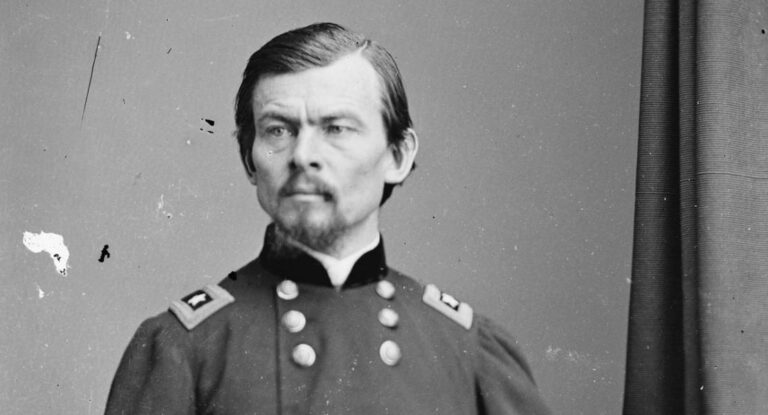
Franz Sigel Rolla history changed everything when 600 Union soldiers stepped off the train into a town of 1,500 — and I walk that same ground today.
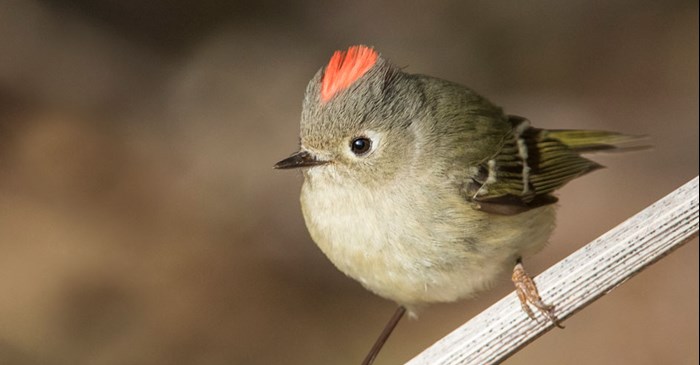
Ruby-crowned Kinglets are passing through the Ozarks right now, and I want to tell you about the hidden red crown I’ve only seen three times.
When a scarlet tanager arrives in Missouri’s oak-hickory forests the second week of May, it’s following the same schedule the land has kept for longer than we’ve been watching.
The wood thrush came back to our Ozark hollow this morning, and I want to tell you what its two-voiced song connects us to.
The rose-breasted grosbeak showed up right on time this week, and his arrival reminded me why phenology — the old practice of watching when things happen — still matters.
Early May in the Ozarks is when neotropical warblers pour through on their way north—here’s how to learn their voices before you know their names.
On June 14, 1861, a German general’s train reached Rolla — and I walk land where his soldiers slept while the nation tore itself apart.
Most people want to protect the forest by leaving it alone, but the shortleaf pines in our Ozark hills burned to stay alive — and they’re still waiting for fire.
Late April is when the birds are moving through the Ozarks — I’ll show you how to spot red-tails, broad-wings, and Cooper’s hawks from your own backyard.
In 1861, Rolla’s courthouse became a hospital overnight, and local women used wild ginger and spicebush to keep Union soldiers alive.