When Congress Decided to Save a River, They Were Really Saving a Way of Moving Through the World
Sixty-two years ago this week, something happened that I think about every time I walk down to the creek. On April 22, 1964, Congress looked at the Current and Jacks Fork rivers and decided they were worth protecting as the Ozark National Scenic Riverways — the first national park in America created specifically to preserve a river system.
But here’s what gets me. They weren’t just saving water. They were saving the memory of how people used to travel.
Rivers as Roads
Before there were roads cut through these hills, the rivers were the roads. Families moved everything they owned by johnboat and dugout canoe. They floated livestock to market. They carried news downstream and hauled supplies back up, poling against the current with arms that knew the work the way our hands know a steering wheel now.
Body-Memory and Migration
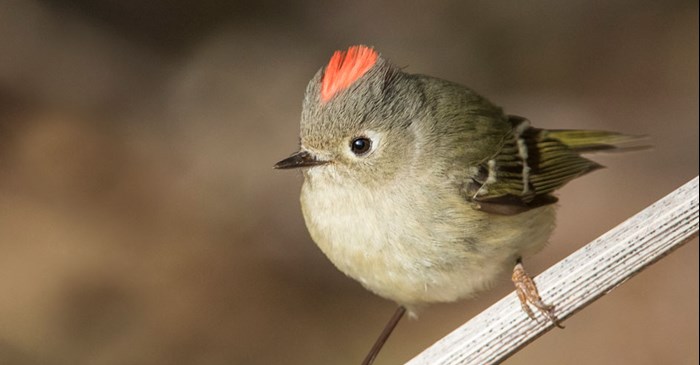
I’ve been thinking about that kind of knowledge lately — the body-memory of moving through a landscape. This week on the preserve, spring migration is in full swing and I’ve counted more bird species in a single morning than I can keep straight in my head. The warblers get all the attention, but right now there are over a hundred different species passing through the Missouri Ozarks, stopping in our glades and woodlands like travelers at an old river landing.
The wildflowers are keeping pace. In our fire-maintained areas, the open spaces between the oaks are lit up with blooms that only show themselves where the land has been tended the old way — with controlled burns that keep the understory clear and the soil ready.
An Activity for Kids
If you’ve got kids at home who need something real to sink their teeth into this week, here’s what I’d suggest. Take them to a spring or a sinkhole — we’ve got both on the preserve, and they’re scattered all over the Ozarks if you know where to look. Bring a notebook and have them map what they see. Where does the water come from? Where does it go? Missouri sits on karst topography, which means the rock underneath us is riddled with caves and underground streams. The water that disappears into a sinkhole in your pasture might resurface miles away at a spring that feeds the Gasconade or the Osage.
That’s not a metaphor. That’s literally how the Ozarks drain.
Have your kids measure the flow if you can get close enough. Time how long it takes a leaf to travel ten feet. Talk about where that water is headed — through limestone, through darkness, through channels carved over thousands of years — and then out into rivers that people once used the way we use highways.
There’s something about understanding how water moves through this land that changes how you stand on it. You stop thinking of a creek as decoration and start thinking of it as infrastructure. The oldest infrastructure we’ve got.
Visit the Preserve
If you want to come see it for yourself, the preserve is open and the trails are dry enough to walk without losing a boot. Book a farmhouse stay and spend a few days doing nothing but watching what’s moving through — birds, water, light. When you stay here, you’re not just visiting. You’re helping us keep this land the way it was meant to be kept.
The rivers are still here. The springs are still running. And there’s still time to learn how to read them.