The Frog Chorus Is Back: And Your Great-Grandmother Knew What It Meant
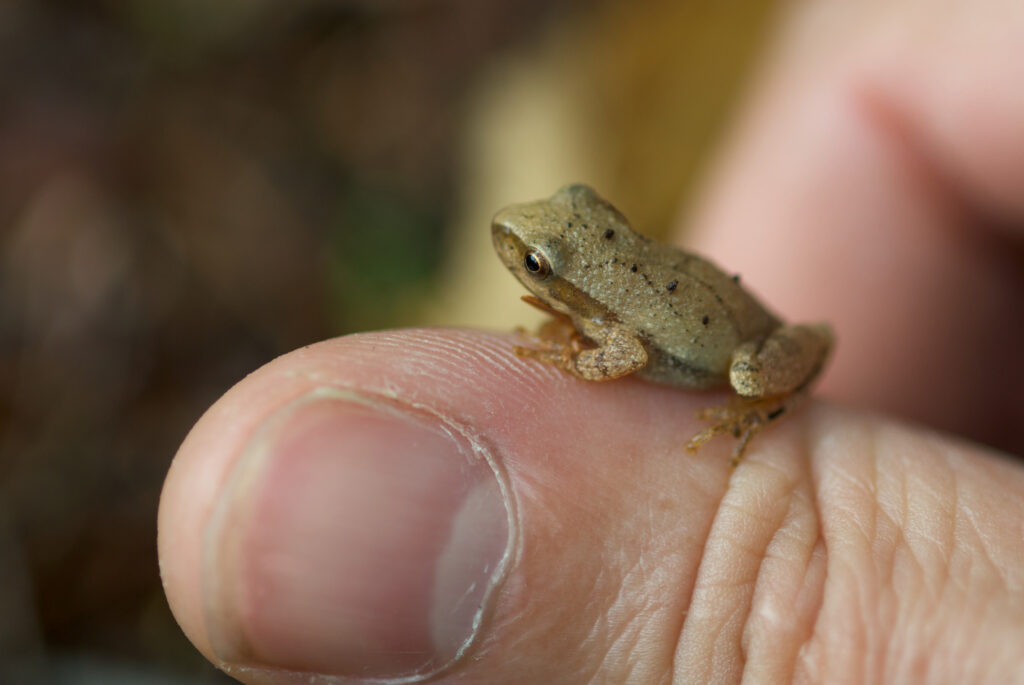
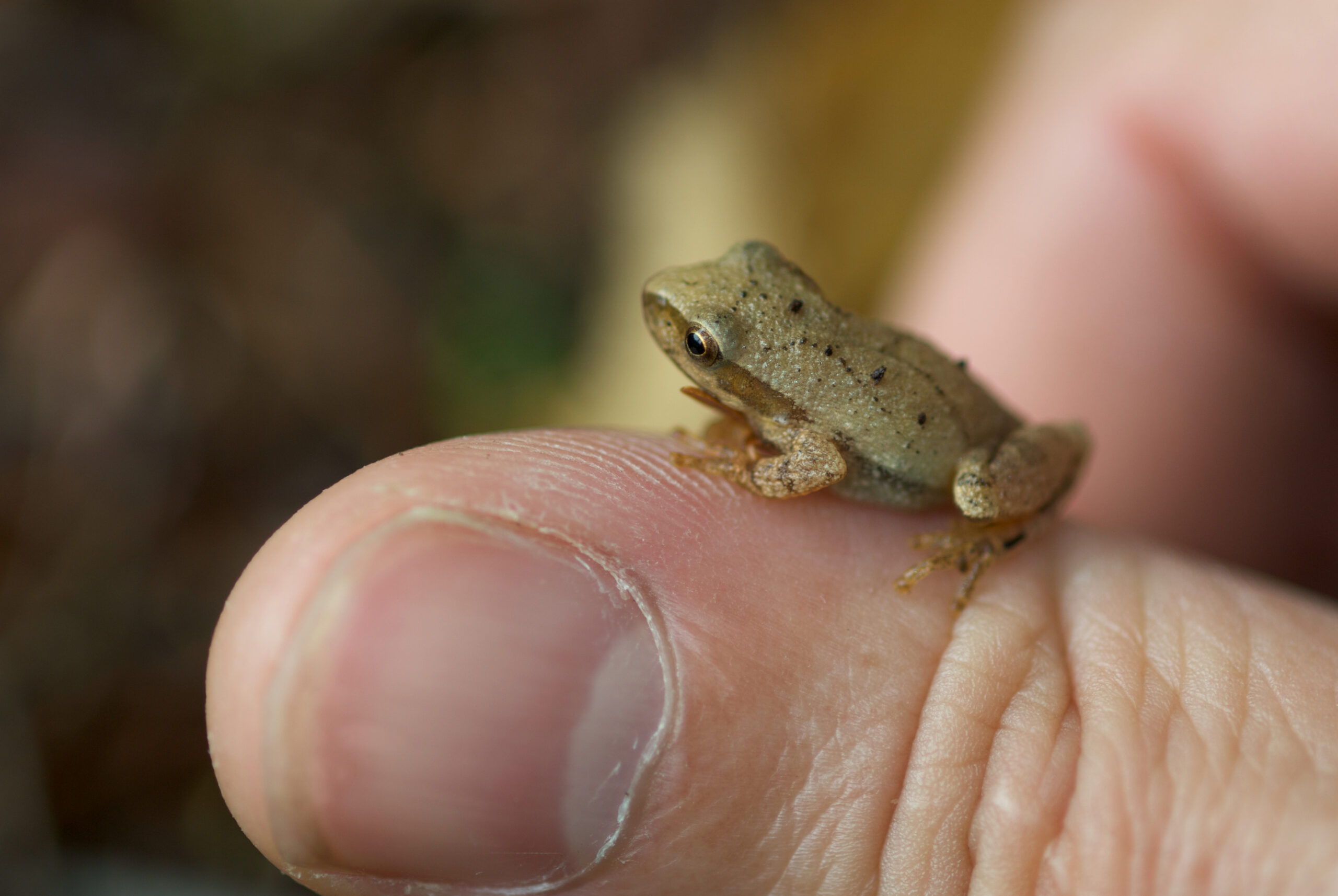
I stepped outside last night around dusk, and the spring peepers were so loud I could feel them in my chest. That high-pitched chorus rising from the pond edge, thousands of tiny frogs no bigger than a quarter, singing like their lives depend on it—because they do. This is breeding season, and every male peeper is calling for a mate with everything he’s got.
Here’s what most people don’t realize: spring peepers can survive being frozen solid. Their bodies produce a kind of natural antifreeze, and they can spend the winter with ice crystals actually forming in their tissues. When the ground warms to about 50 degrees, they thaw out and start singing within days. That’s what you’re hearing right now across the Ozarks—thousands of tiny resurrections announcing themselves from every wet ditch and woodland pool.
Your great-grandmother would have listened for this same sound, and she would have known exactly what it meant. Old Missouri settlers used the peeper chorus as a planting calendar. When the frogs started singing, the soil had warmed enough for early crops. Three hard frosts after the first peepers, they’d say, and then it’s safe to plant. It wasn’t superstition—it was observation passed down through generations who couldn’t afford to get it wrong.
The timing still holds. I’ve kept records here at the preserve for years now, and the peepers consistently start up when soil temperatures hit the right range for peas, lettuce, and spinach. The frogs know. They’ve always known.
An Invitation to Listen
If you’ve got children at home, tonight is the night to take them outside after dark. Find the wettest, lowest spot near your house—a drainage ditch, a pond edge, even a flooded field margin—and just stand still. The chorus will stop when you arrive, but if you wait without moving or talking for two or three minutes, it will start again around you. One frog first, then another, then the whole symphony.
Turning Listening Into Science
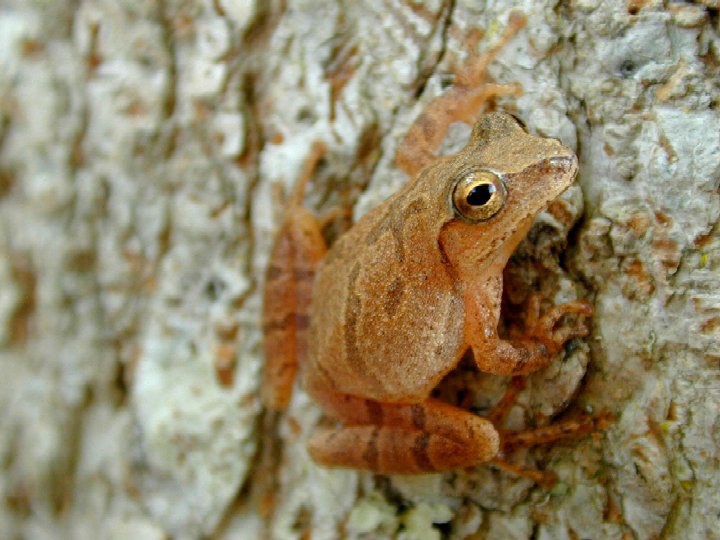
Here’s a simple activity that turns listening into science: bring a thermometer and check the air temperature. Spring peepers chirp faster when it’s warmer, and you can actually count their chirps to estimate the temperature. Count the number of chirps in 15 seconds, then add 40. That gives you a rough temperature in Fahrenheit. It’s not perfect, but it’s close enough to surprise most kids—and most adults, honestly.
Reclaiming Lost Knowledge
I think about how much knowledge we’ve let slip through our fingers. Not because anyone meant to lose it, but because we stopped paying attention to what the land was telling us. The frogs were always there, singing the same song, carrying the same information. We just forgot to listen.
This weekend, the peepers will be in full voice here at the preserve. If you’re staying at the farmhouse, you’ll hear them from the porch after sunset—that wall of sound that tells you spring has actually arrived, no matter what the calendar says. Some guests tell me they haven’t heard a frog chorus since childhood. Some have never heard one at all.
Either way, it’s the kind of thing that stays with you. The frogs have been singing this song in the Ozarks for longer than there have been people here to hear it. Standing in the dark, listening, you become part of something that was happening long before you arrived and will keep happening long after.
Go outside tonight. Find the wet place. Wait for the chorus to start again. And when it does, remember that your great-grandmother heard this same sound and knew exactly what it meant—and now, so do you.