The Whip-poor-will’s Return: A Sound You Can’t Unhear
I heard my first whip-poor-will of the season three nights ago, right around 8:47 in the evening. I know the exact time because I stopped mid-sentence, set down my coffee cup, and just listened. That bird repeated its name seventy-three times before it paused to breathe. I counted.
If you’ve never heard one, you’re missing something that shaped how people in these hills told time for two hundred years. Before alarm clocks, before weather apps, before anyone knew what a migration pattern was, Ozark families knew that when the whip-poor-will returned, you had about ten days to get your corn in the ground. Not because of superstition. Because the bird’s arrival lines up almost perfectly with soil temperatures reaching fifty degrees — the exact threshold corn needs to germinate.
The old-timers weren’t guessing. They were paying attention in ways we’ve mostly forgotten how to do.
What You’ll Never See
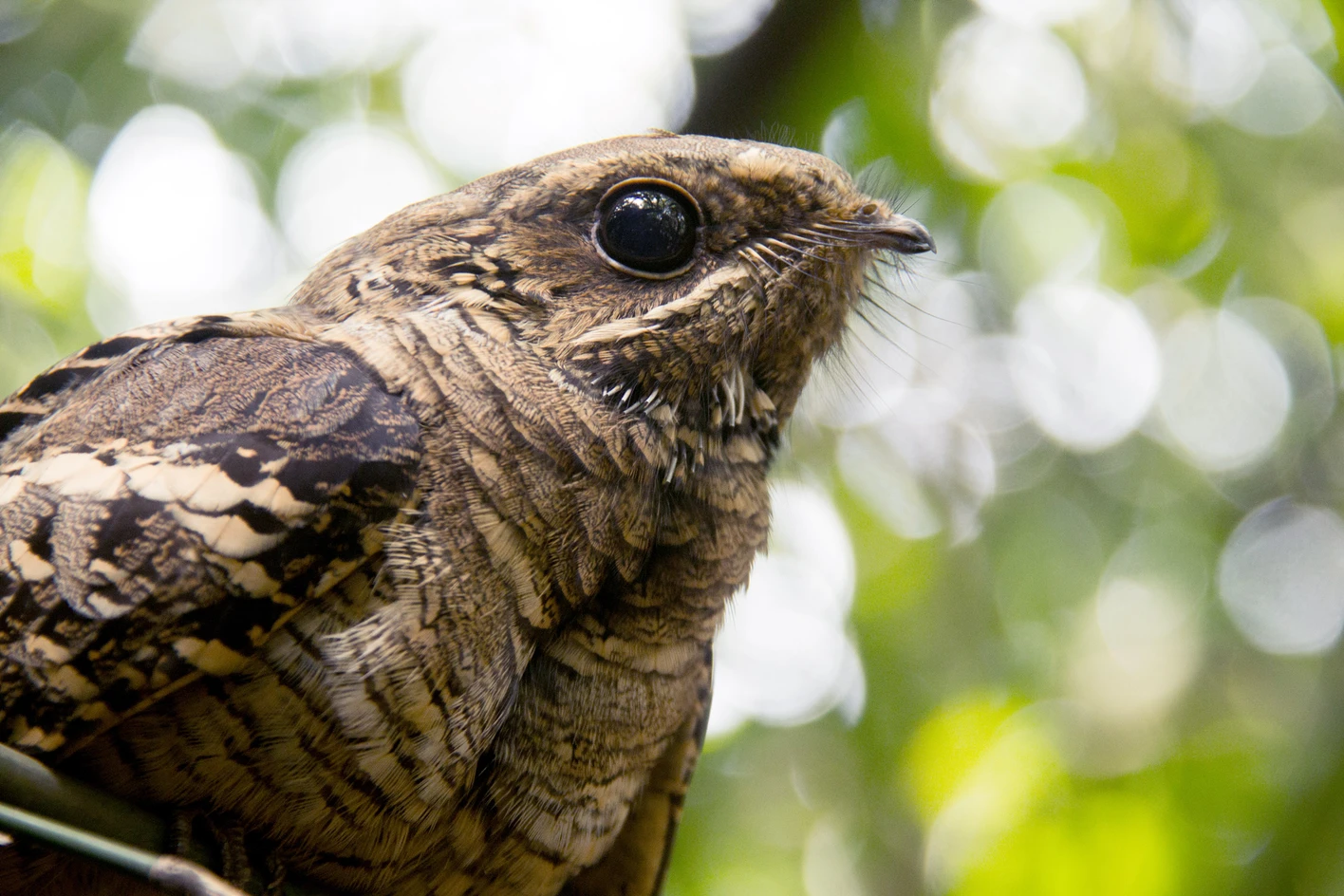
Here’s the thing about whip-poor-wills that still makes me shake my head: you’ll almost never see one. They’re about the size of a robin, mottled brown and gray like dead oak leaves, and they spend their days sitting lengthwise on branches — not across them like every other bird you know. Lengthwise. Flat against the bark. They look like a bump on a log because that’s exactly what they’re trying to look like.
But that voice. Three syllables, over and over, sometimes two hundred times without stopping. The males do this to establish territory, and they do it from dusk until full dark, then again before dawn. In the 1920s, a scientist in Kansas counted one bird calling 1,088 times in a row. I believe it. Once you’ve heard that rhythm settle into the dark, it becomes the sound of spring itself.
A Sound Through History
On this day in 1830, the Church of Jesus Christ of Latter-day Saints was formally organized in New York, and within a decade, those early members would push westward through Missouri, some of them crossing land not far from where I’m sitting now. They traveled by sound as much as by sight — listening for rivers, for settlements, for the night birds that told them the season was holding. The whip-poor-will would have been one of the last voices they heard before sleep, same as it is for me.
Listen With Your Kids
If you’ve got kids at home this week, here’s something worth doing. After dinner, step outside together around sunset and just wait. Bring a notebook if you want, or don’t. Listen for that three-note call — it really does sound like the bird is saying its name, with the emphasis on the first and last syllables. If you hear one, try counting the repetitions before it stops. You’re doing exactly what farm kids in the 1800s did, and exactly what ornithologists do now. That’s science and heritage in the same breath.
The whip-poor-wills will be calling at the preserve through May, maybe into early June. If you book a farmhouse stay in the next few weeks, leave your window cracked at night. That sound will find you. It’s been finding people on this land for longer than anyone kept records.
Knowledge From Standing Still
Some knowledge doesn’t come from books. It comes from standing still long enough to notice what’s been there all along. The whip-poor-will has been keeping time in the Ozarks since before there was a Missouri. All you have to do is step outside and listen.