What Is Loamy Soil? (And Why You Don’t Need It Everywhere to Grow a Beautiful Garden)
Martha’s favorite loamy soil, and how to recreate it in your garden
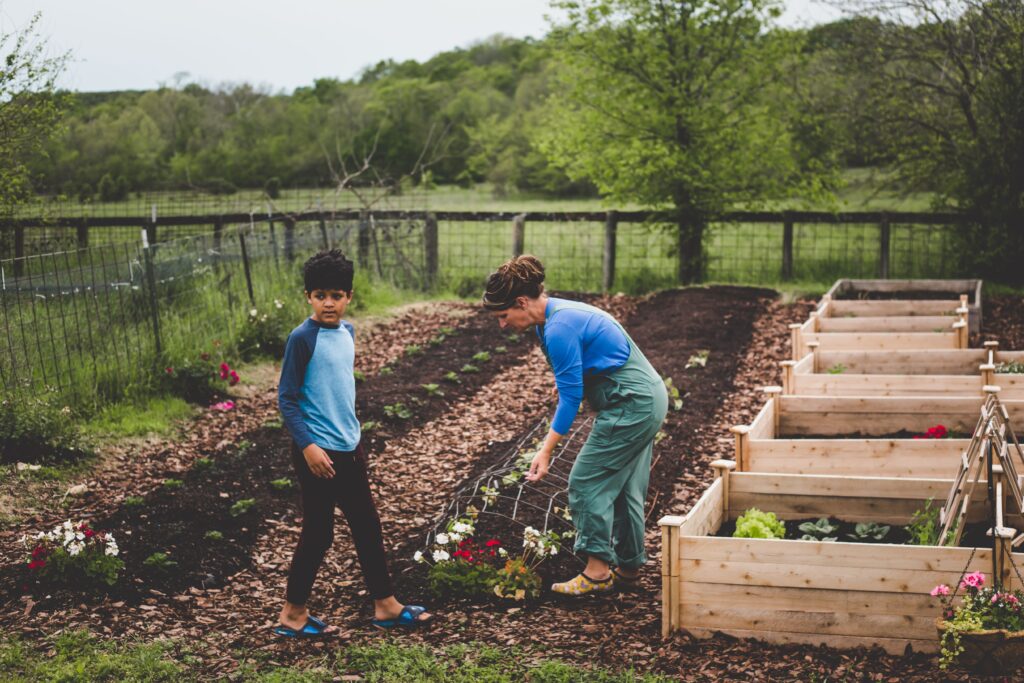
I read something where Martha Stewart talked about finding “nice loamy soil” at her Turkey Hill farm, and all the beautiful things she could grow there. I remember thinking, “Wait, what is that? I’ve never even heard that word before. Do I need that here? How wonderful would that be?” I was fascinated.
Here in the Missouri Ozarks, We’ve got rocks and clay. Lots of rocks. Lots of clay. So when I read about Martha’s loamy soil, I wondered if that was the secret I was missing—if I needed to somehow create that across my whole property before I could really grow the things I wanted to grow.
But here’s what I’ve figured out with research, and over years of gardening, planting trees around our airbnbs, working this land, and just getting my hands dirty: your whole yard doesn’t have to be loamy to grow good grass, good trees, good gardens. You just need to focus on the specific piece of dirt under each plant.
Let me share what I’ve learned.
What Even Is Loamy Soil?
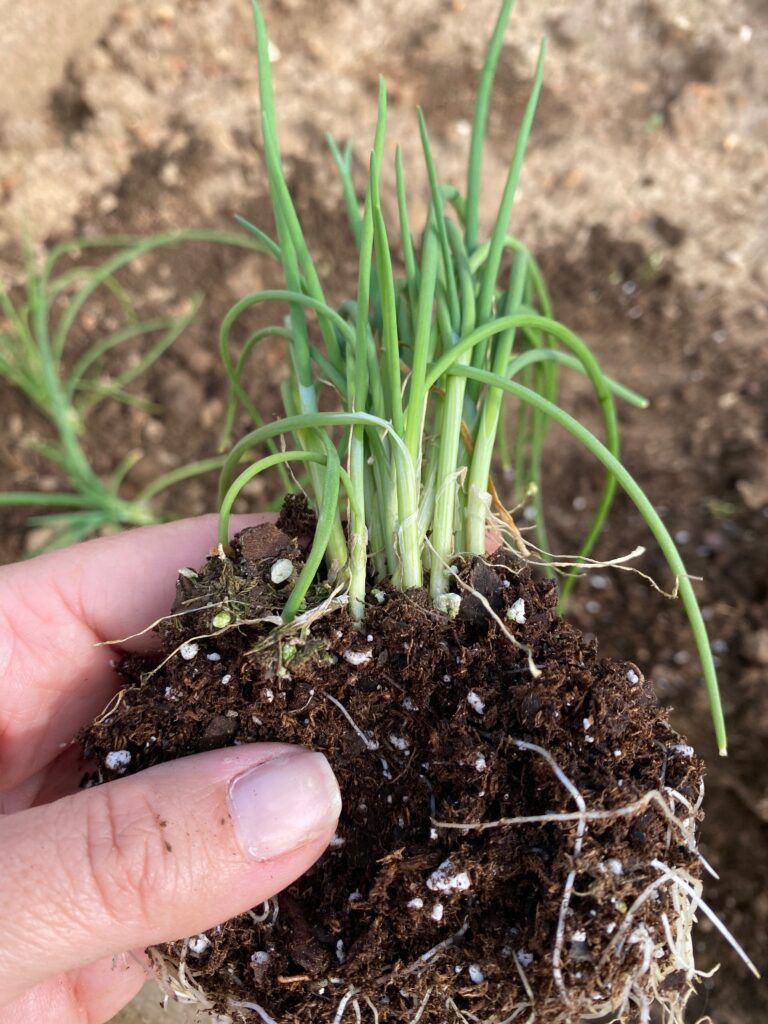
First, because I had to learn this myself: “loamy” isn’t some fancy gardening term that only people with perfect farms get to use. It just refers to the composition of soil—the mix of sand, silt, organic matter, and clay. Here’s the test: grab a handful of dirt and squeeze it. If it’s loamy, it’ll stick together in your palm, but when you poke your finger back through it, it crumbles.
That’s when it clicked for me—it’s about consistency. It holds together when you squeeze it, but you can still poke your finger right back through. Just like a good pie crust. That same balance of holding together but still being tender, still having give to it.
Try that with the clay dirt we have here in the Ozarks and your finger’s not going anywhere. That clay just clumps hard and stays hard. No give at all.
Can You Garden in Clay Soil?
Yes, you absolutely can. And I’m living proof. The key is understanding that you don’t need to transform your entire property into perfect loamy soil. You just need to improve the soil where you’re actually planting.
A Quick Word About “Organic Matter” (Because That Confused Me Too)
One thing that used to drive me crazy when I was learning all this: every article about improving soil would say “add organic matter” like that was supposed to mean something specific to me. Organic matter? Is that banana peels? Bugs? The old bedding from our barn? Leaves I raked up last fall?
Here’s what I finally figured out: organic matter is basically anything that used to be alive and is now breaking down or has already broken down into the soil.
The best organic matters for gardening are:
- Compost – plant materials that have decomposed (kitchen scraps, yard waste, etc.)
- Well-aged manure – from our cattle, horses, chickens, whatever you have. Key word: aged. Fresh manure is too hot and can burn plants
- Barn bedding – that’s the straw, wood shavings, or hay we put down in the barn for the animals to stand on, once it’s been mixed with manure and aged for a while
- Leaf mold – those leaves you raked up, left in a pile for a year, and now they’re dark and crumbly
- Grass clippings – as long as they’re not treated with chemicals
One important thing to know: different animal manures have very different “heat” levels and need different aging times and mixing ratios. Chicken manure is much hotter than cow manure, for example. I’ve written a whole guide about using different types of manure in your garden [LINK: Understanding Animal Manure: Which Kind to Use and How] because there’s a lot to know and I want you to use it safely and effectively.
The magic of organic matter is that it feeds the soil—it improves the texture, helps with drainage in clay soil, helps sandy soil hold moisture, and feeds all the good bacteria and earthworms that make soil healthy.
So when I say I add organic matter to my planting holes or garden beds, I’m usually talking about compost I’ve made or bought, or that aged manure and bedding mixture from our barn. It all works. You don’t need anything fancy.
How Much Good Soil Do You Actually Need?
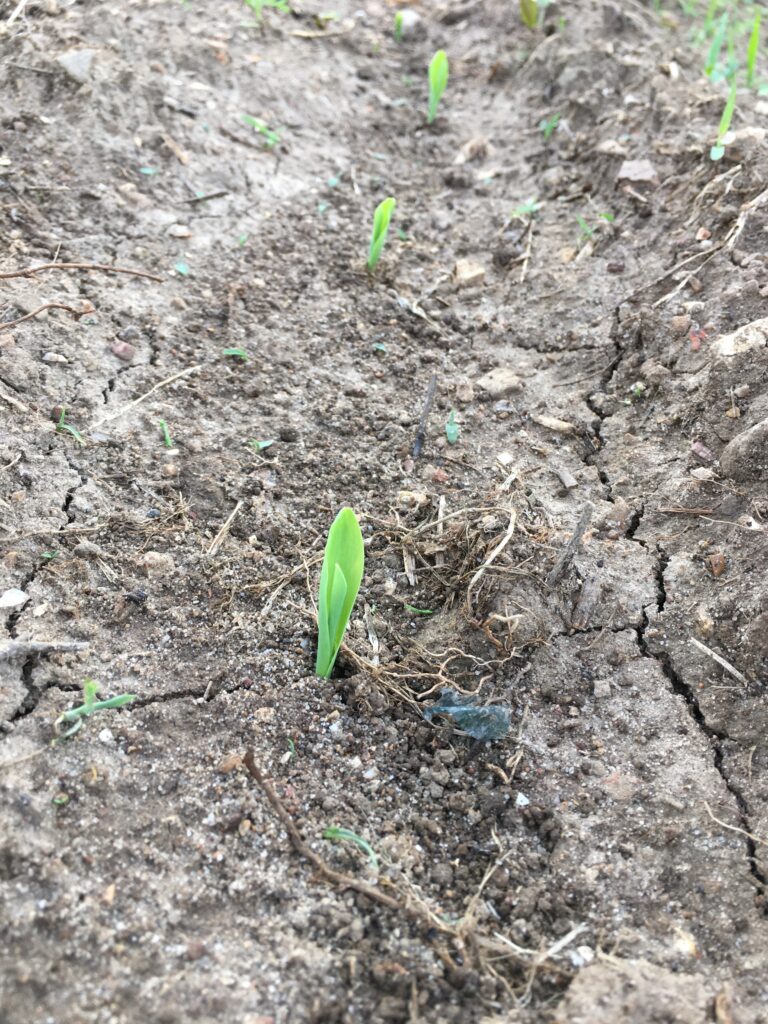
This is where it gets freeing: you only need good soil where you’re actually growing something.
When I plant a tree, I’m thinking about that specific hole. I need it the right size for the roots to spread, I add root stimulator to help it get established, I mix in organic matter and compost, and I make sure there’s proper drainage so the roots aren’t sitting in water. Get those things right in that one spot, and the tree will thrive even if the dirt ten feet away is pure Ozark hardpan.
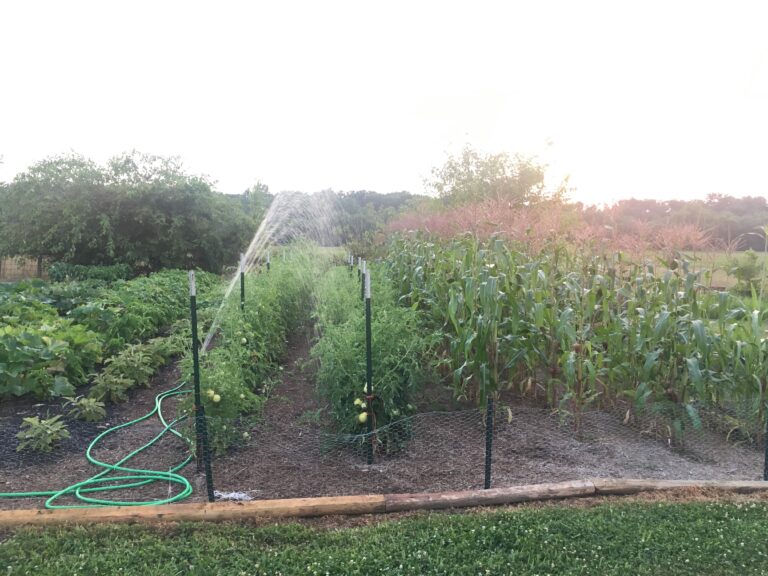
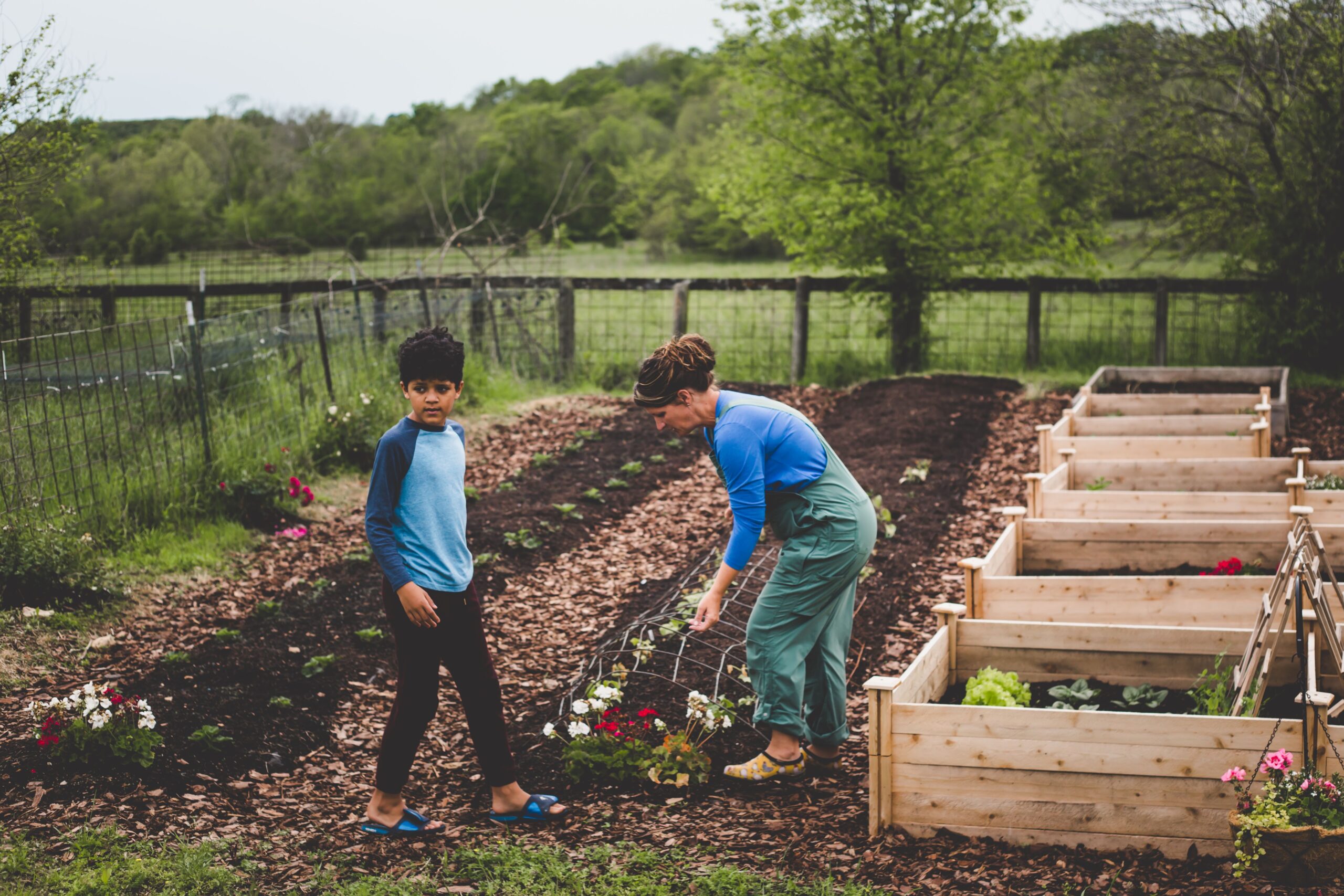
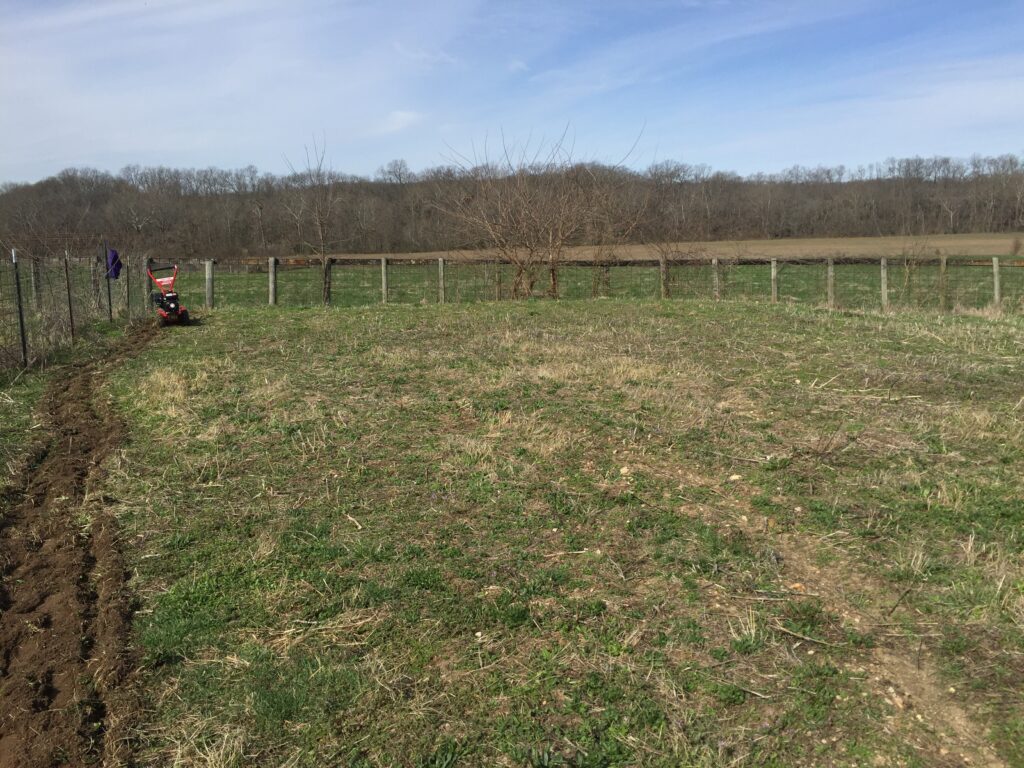
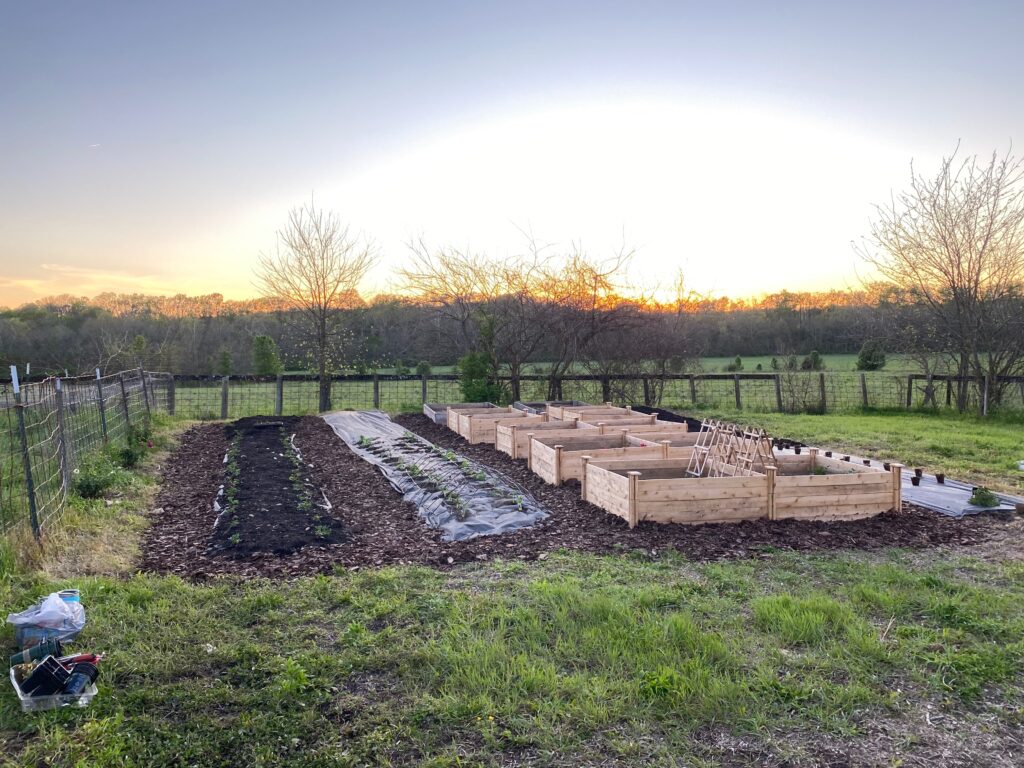
In my garden, same thing. I focus my effort there: proper tillage to break things up, good drainage, compost and organic matter to build the soil, making sure there’s enough sunlight, and keeping up with watering. I’m not trying to transform 500 acres. I’m building the soil in my garden beds, in the spots where I’m actually growing food for my family and for the guests at our farmhouse.
Even the grass doesn’t need perfect loamy soil. As long as it has enough decent topsoil to root into and some basic care, it’ll grow just fine over our rocky clay.
Growing in Rocky Soil and Clay: What Actually Works
Here’s my practical approach for different situations:
Planting trees in clay soil:
- Dig the hole wide, not deep
- Add root stimulator
- Mix compost and organic matter into the soil you’re putting back
- Make sure water can drain away from the roots
Vegetable gardens in poor soil:
- Focus on building up your garden beds with good compost
- Till properly to break up compacted areas
- Keep adding organic matter each season
- Ensure good drainage and adequate sunlight
Growing Grass and lawns:
- You need less perfect soil than you think
- Basic topsoil depth and decent drainage will do
- Regular care matters more than perfect soil composition
Why I’m Telling You This
I know a lot of you have been with me for years now—from when I was a foster mom just trying to grow some vegetables and raise some chickens, to everything we’ve built here: the historic farmhouse airbnbs, the cooking channel where I share those down-home recipes, the campground we made from our family’s old trailer park, and now opening our whole working cattle farm as a heritage preserve.
Through all of it, I’ve just been trying to figure things out and share what actually works. Not the Instagram-perfect version. Not even the “look how charmingly imperfect I am” version that’s just another kind of performance. Just the real version—what works in Ozark dirt with rocks and clay.
Because here’s the thing: I want you to be able to grow things. I want you to plant that tree, start that garden, create that home place you’re dreaming about. And I don’t want you thinking you can’t do it because you don’t have Martha Stewart’s Turkey Hill farm soil.
You can work with what you’ve got. I promise.
The rocks are still here. The clay’s still here, and every year I learn something new about working with this land to help create beauty and goodness that works for our family, and honors the land.
That’s what I want to pass along to you—those real, practical skills that some of us learned from our grandmas, some of us wish we’d realized the treasure we had while they were still here, and some of us are teaching ourselves now because we never had that person in our lives. Not perfection. Just the truth about what works.
Common Questions About Loamy Soil and Growing in Difficult Soil
No. Grass needs decent topsoil to root into and basic care, but it doesn’t require perfect loamy soil throughout your yard.
Yes. The key is preparing the planting hole properly with amendments, good drainage, and root stimulator. The tree will establish in that improved spot even if the surrounding soil is heavy clay.
Focus on your garden beds specifically. Add compost and organic matter, ensure drainage, and build the soil quality where you’re actually planting. You don’t need to improve soil across your entire property.
Squeeze a handful. If it holds together but you can poke your finger back through it easily, it’s loamy. If your finger won’t go through, you likely have clay soil.
Absolutely. I’ve been doing it for years here in the Ozarks. Focus your soil improvement efforts on the specific areas where you’re planting, and you can grow beautiful gardens in less-than-perfect conditions.