When the War Came to the Courthouse Steps
The Phelps County Courthouse was barely finished when they turned it into a hospital.
Construction had started in 1860, and workers laid the final exterior stones in 1861 — just in time for everything to fall apart. By the time the mortar had cured, Union soldiers were hauling wounded men through doors that had never been used for anything else. The building designed to hold court records and civil proceedings became a quartermaster store and a place where surgeons worked by lantern light.
I think about this every time I drive through Rolla. The courthouse that stands there now isn’t the same building, but the ground remembers. And so do the letters.
The Letters Home
On February 27, 1862, a soldier from the 13th Illinois Infantry sat down at Camp Rolla — just a few miles from where I’m writing this — and wrote home. His letter survives in the State Historical Society of Missouri’s archives. I don’t know exactly what he said, but I know what he saw: a Missouri winter, a courthouse turned field hospital, and a county that hadn’t asked for any of it.
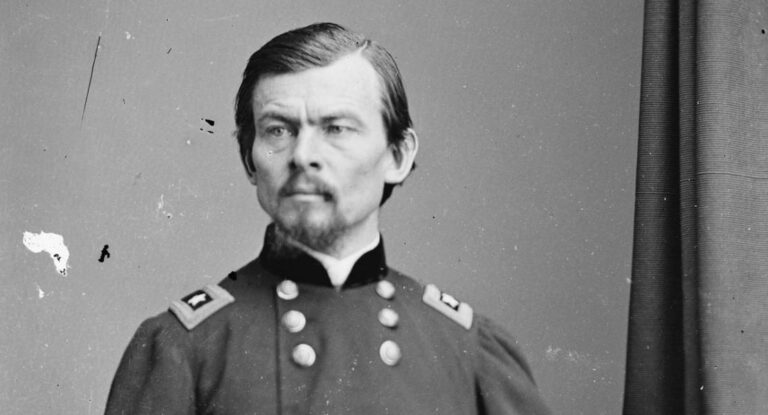
Camp Rolla was one of the staging points for Union operations in the Ozarks. Federal forces used it to supply and coordinate troops moving south and west, including the task force under Colonel Franz Sigel that would engage Confederate forces at Carthage. The men who camped here — on ground very much like the 500 acres I now steward — were part of a military presence that reshaped this region for four years.
When Ordinary Became Emergency
What strikes me most is how quickly ordinary buildings became something else entirely. One year the courthouse is a symbol of civic order. The next year it’s full of men who will never walk out. The county records sat somewhere while surgeons did what they could with what they had.
The women of Phelps County would have been there too, though the official records don’t say much about them. They always are, in these stories — washing bandages, carrying water, keeping children fed while the world rearranged itself around them. The knowledge those women carried in their hands kept households running when the men who were supposed to run things were bleeding on courthouse floors.
Layers of History
I’ve been reading through SHSMO’s Phelps County Collection lately, trying to understand what this land looked like before it was mine to care for. The truth is, it was never really anyone’s to own. The Osage were here first, hunting and traveling through these Ozark ridges long before anyone drew county lines. Then came the settlers, then the soldiers, then the strawberry farmers who would turn this region into one of the most productive fruit corridors in the country.
But in 1862, none of that had happened yet. There was just the courthouse, the camp, and the letters home.
The Story Still There
If you’re ever in Rolla, drive past the courthouse square and sit with that for a minute. The building isn’t the same, but the story is still there if you know to look for it. A place built for one purpose, bent into another by circumstances nobody chose. People doing what they could with what they had.
That’s the Ozarks, honestly. That’s Missouri. We’ve always been the place where plans met reality and had to negotiate.
The next time you pass a public building — a courthouse, a library, a school — ask yourself what it might have been used for when everything fell apart. Someone’s grandmother probably remembers.